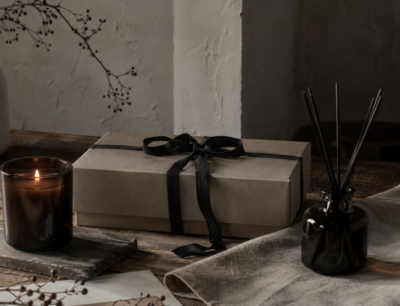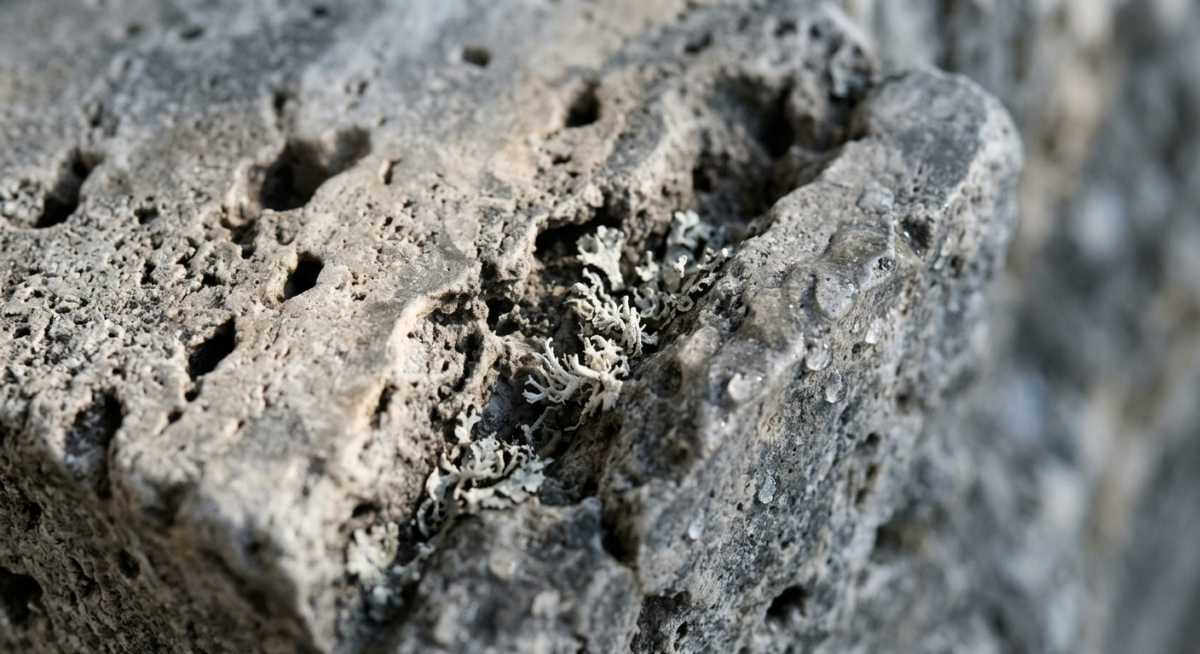
A fragrance never convinces on its own. It convinces through what it evokes. This is where olfactory psychology comes in: a material’s ability to generate a feeling before it is even recognised. Stone, white musk, vanilla: three materials that smell not of themselves, but of an idea.
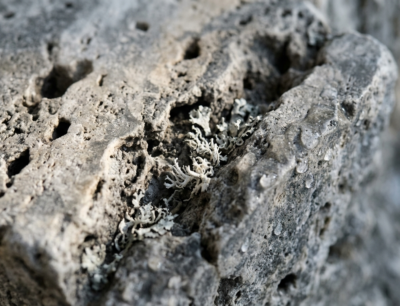
The silence of stone
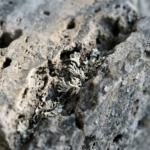
Mineral notes do not exist in nature. They are born from the meeting of several materials, orchestrated to evoke stone, fresh air, salt, and cool surfaces. They are not designed to be recognised, but to be perceived as an atmosphere.
It is an exercise in olfactory psychology applied to space: the mind does not try to name the fragrance, it simply lets itself be crossed by a sensation of clarity and stability.
In contemporary environments, this makes them valuable. They accompany architecture with discretion, reinforcing balance and a sense of permanence, without ever overshadowing the real materials of the space.
The invisible comfort of white musks
A clean space often feels more welcoming, even when cleanliness is not the point. White musks are usually responsible.
These molecules do not reproduce the smell of soap or laundry. Collective memory does that: decades of detergents, fabric softeners and personal care products have built a precise association in the mind of consumers.
Olfactory psychology works exactly on this mechanism. It does not imitate cleanliness, it evokes trust, familiarity, immediate calm: the ideal conditions for someone to choose to stay in a space longer.
A vanilla that no longer seeks to be sweet
Vanilla has also taken on a new role. In contemporary environments it no longer seeks to be indulgent, it seeks to be warm.
Paired with woods, resins and spices, it loses its dessert character and becomes dry, textured, discreet. It behaves like a warm fabric or a natural wood: it introduces comfort without drawing attention to itself.
This is why it now finds space in hospitality, residential and retail environments. Less sweetness, more atmosphere: the same material, read through a different olfactory psychology.
The olfactory psychology behind every atmosphere
Stone, white musk, vanilla: three different materials, one single principle. None seeks to be recognised. All seek to be felt.
This is the essence of olfactory psychology applied to olfactory marketing: understanding what feeling a material can generate, before even asking what it is called.
The most memorable atmospheres almost always come from details that remain invisible, perceived but never named.
Let’s design an authentic sensory experience together. Start here.